


Your morning routine could be secretly undermining your gut health, according to Dr Saurabh Sethi, a Harvard-trained gastroenterologist who has identified four critical breakfast mistakes that millions of people make every day.
With digestive issues affecting up to 40 per cent of older adults, these simple morning habits could be the key to better gut health and overall wellbeing.
Dr Sethi's insights come at a crucial time when research increasingly links gut health to everything from immune function to mental clarity.
For Australians over 60, who often experience age-related changes in digestive function, understanding these breakfast pitfalls could make a significant difference to daily comfort and long-term health.
In this article
The Four Breakfast Mistakes Harming Your Gut
Dr Sethi, who shares digestive health advice with his 456,000 Instagram followers, has pinpointed four common morning habits that can disrupt your gut microbiome and digestive processes. These mistakes are particularly relevant for older adults, whose digestive systems naturally slow down with age.
Dr Sethi's Four Critical Breakfast Mistakes
- Skipping breakfast entirely disrupts metabolic processes
- Consuming sugary cereals causes inflammation and blood sugar spikes
- Eating while stressed or on-the-go impairs digestion
- Not hydrating before eating affects digestive enzyme production
Mistake #1: Skipping Breakfast Entirely
'Skipping breakfast can slow down your metabolism,' Dr Sethi warns. This seemingly harmless habit can trigger a cascade of digestive issues throughout the day.
When you skip breakfast, your body remains in a fasting state, which can lead to increased stomach acid production and potential digestive discomfort later.
For seniors, this mistake is particularly problematic. Research shows that older adults who skip breakfast are more likely to experience constipation, a condition affecting up to 33 per cent of Australians over 60. The morning meal kickstarts your digestive system and helps maintain regular bowel movements.
'Your gut microbiome operates on a circadian rhythm. Skipping breakfast disrupts this natural cycle and can lead to dysbiosis—an imbalance in gut bacteria.'
Mistake #2: Starting Your Day with Sugary Cereals
Many popular breakfast cereals marketed as 'healthy' contain alarming amounts of sugar. Dr Sethi specifically warns against cereals like Froot Loops, Coco Pops, and Cinnamon Toast Crunch, which can contain up to 12 grams of sugar per serving—nearly half the recommended daily intake for older adults.
These sugar-laden options cause rapid blood glucose spikes, leading to inflammation and feeding harmful gut bacteria. For Australian seniors, this is particularly concerning as age-related changes in insulin sensitivity make blood sugar management more challenging.
Hidden Sugar in Popular Australian Breakfast Cereals
Nutri-Grain: 32 per cent sugar content
Coco Pops: 35 per cent sugar content
Frosties: 37 per cent sugar content
Special K Original: 17 per cent sugar (still high for a 'healthy' option)
Mistake #3: Eating Breakfast on the Go
In our fast-paced world, eating breakfast while commuting or working has become commonplace. However, Dr Sethi emphasises that stress significantly impairs digestion. When you eat while stressed or distracted, your body diverts blood flow away from the digestive system, reducing enzyme production and nutrient absorption.
This 'fight or flight' response can lead to bloating, indigestion, and incomplete digestion of nutrients. For older adults, who may already experience reduced digestive enzyme production, eating in a relaxed environment becomes even more critical.
Did you know?
Did you know? Your digestive system has its own nervous system called the enteric nervous system, often referred to as the 'second brain.' Stress directly affects this system, reducing its ability to function properly.
Mistake #4: Not Drinking Water Before Breakfast
Dr Sethi's final warning addresses a simple yet often overlooked habit: not hydrating before your first meal. After 7-8 hours without water during sleep, your body is naturally dehydrated. This dehydration affects the production of digestive enzymes and the mucous lining that protects your stomach.
For seniors, who often experience reduced thirst sensation, this morning hydration is crucial. Drinking a glass of water 15-30 minutes before breakfast helps prepare your digestive system, aids in nutrient absorption, and can prevent constipation.
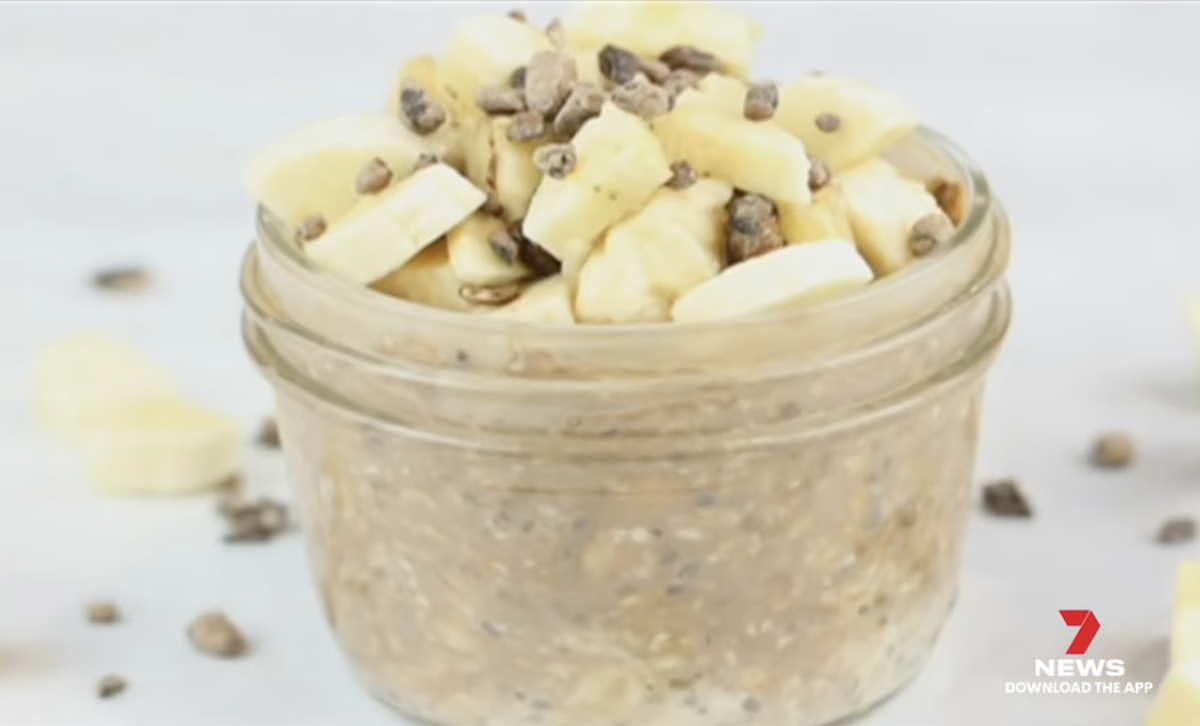
Building a Gut-Friendly Breakfast Routine
Creating a morning routine that supports digestive health doesn't have to be complicated. Dr Sethi and other digestive health experts recommend several simple strategies that can transform your gut health.
Example Scenario
- Start your day with a glass of warm water with lemon to stimulate digestive enzymes
- Choose whole grain toast with avocado and eggs for balanced nutrition
- Include probiotic-rich yoghurt with berries and a sprinkle of nuts
- Take 15-20 minutes to eat breakfast in a calm environment
The Importance of Fibre for Senior Gut Health
Australian dietary guidelines recommend that adults over 50 consume at least 25-30 grams of fibre daily, yet most seniors fall short of this target. A fibre-rich breakfast can provide up to half of your daily requirement while supporting healthy gut bacteria.
Good breakfast fibre sources include rolled oats, whole grain bread, chia seeds, and fresh fruits. These foods not only support digestive health but also help maintain stable blood sugar levels throughout the morning.
High-Fibre Breakfast Options for Seniors
- Porridge made with rolled oats: 4g fibre per serving
- Two slices whole grain toast: 6g fibre
- Medium apple with skin: 4g fibre
- Tablespoon of chia seeds: 5g fibre
- Half cup berries: 3-4g fibre
Understanding Age-Related Digestive Changes
As we age, our digestive system undergoes several changes that make Dr Sethi's advice even more relevant. The production of stomach acid and digestive enzymes naturally decreases, intestinal motility slows, and the gut microbiome composition shifts.
These changes mean that older adults need to be more mindful about their breakfast choices. What worked in your 30s and 40s may no longer serve your digestive health in your 60s and beyond.
Common Digestive Changes After 60
Reduced stomach acid production affecting nutrient absorption
Slower intestinal transit time leading to constipation
Changes in gut microbiome diversity
Decreased production of digestive enzymes
Reduced absorption of certain nutrients like B12
Creating Your Personal Gut Health Action Plan
Implementing Dr Sethi's recommendations doesn't require a complete lifestyle overhaul. Start with one change at a time and gradually build healthier breakfast habits.
- Week 1: Focus on drinking water first thing in the morning
- Week 2: Replace sugary cereals with whole grain alternatives
- Week 3: Dedicate 15-20 minutes to eating breakfast without distractions
- Week 4: Ensure you eat breakfast within 2 hours of waking
When to Seek Professional Help
While Dr Sethi's breakfast tips can significantly improve digestive health, some symptoms warrant professional attention. Persistent digestive issues, unexplained weight loss, or changes in bowel habits should be discussed with your healthcare provider.

Source: 7NEWS Australia / Youtube.
What This Means For You
Dr Saurabh Sethi's four breakfast warnings offer a simple yet powerful framework for improving gut health. By avoiding these common mistakes—skipping breakfast, choosing sugary cereals, eating while stressed, and forgetting to hydrate—you can support your digestive system and overall wellbeing.
For Australian seniors, these insights are particularly valuable as they navigate age-related digestive changes. Remember, small morning adjustments can lead to significant improvements in how you feel throughout the day.
Take action today: Choose one of Dr Sethi's recommendations to implement tomorrow morning. Your gut will thank you, and you may be surprised by how much better you feel with these simple changes to your breakfast routine.
Seniors Discount Club
Latest Articles
-
 When a children's playground becomes a 'crash' course in irony: The memorial that's got Aussies talking
- Started by Danielle F.
- Replies: 0
-
When a sprinkle costs extra: How a simple café charge sparked a national debate over tradition and value

- Started by Veronica E.
- Replies: 0
-
It's time for a seasonal refresh: The complete guide to keeping homes clean all-year-round

- Started by Danielle F.
- Replies: 0
-
 When you click on an ad in sales season, retailers get to harvest your data
- Started by The Conversation
- Replies: 0